Amidst the general landscape of modern melodramatic cinema, deteriorating marital relationships are far from a fresh subject. However, Icelandic filmmaker Hlynur Pálmason (who shot to international recognition with his prior film Godland) has found a fresh angle on examining them with his latest work, The Love That Remains, a powerful portrait of two people falling out of love whilst life continues on around them as usual. It’s not a story of sudden emotional outbursts or shocking dramatic twists, but unspoken unhappiness and resentment underneath a deceptively calm surface. If anything, it’s one of the most reserved films to ever be made about such a difficult topic that still hits hard right when it needs to. Simultaneously humorous and heartbreaking, this understated family drama tugs on the heartstrings in its own subtle way.
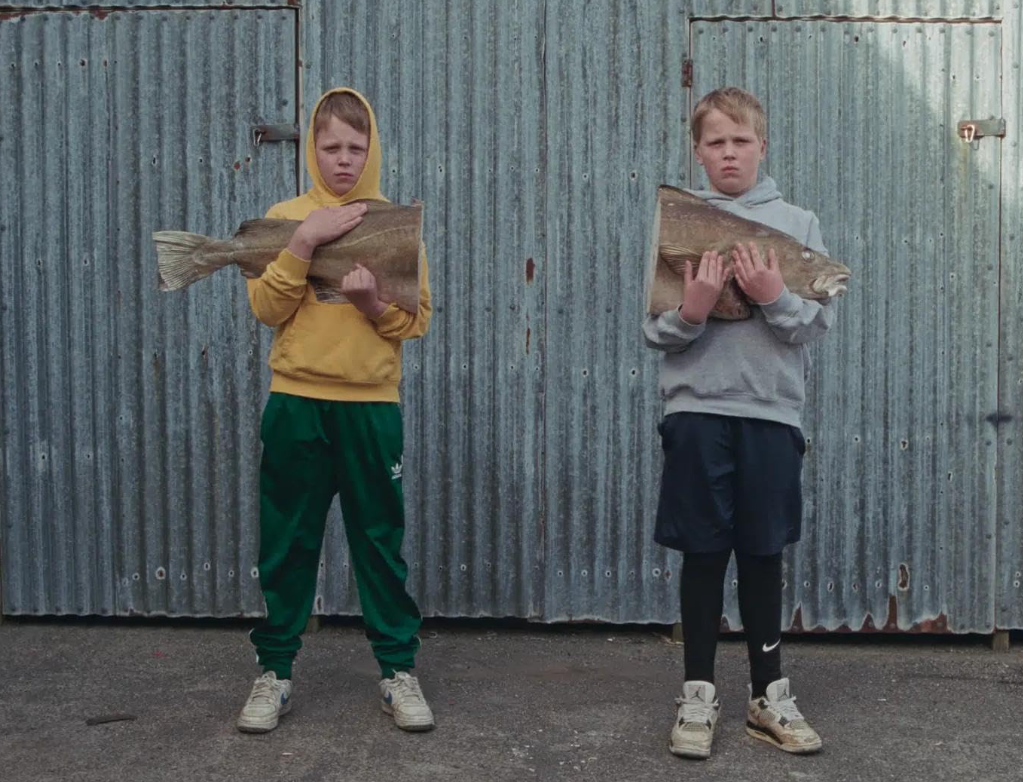
The Love That Remains captures a particularly tumultuous year in the lives of its central couple: Anna (Saga Garðarsdóttir) and Magnús (Sverrir Guðnason). Residing within the lush Icelandic countryside together with their three young children (all portrayed by Pálmason’s own real-life kids), they each try to make the most of what they have in such a remote area; Magnús works as a fisherman to help provide for his family, whereas Anna is an artist. All might appear pleasant at first glance, but in actuality, the two are in the early stages of divorce. Even as this couple begins to splinter in different directions altogether, they still feel a clear responsibility to remain a part of their children’s lives. As much as this helps bring these estranged spouses back together, it ultimately also serves to push them even further apart.
All of this may make The Love That Remains sound like an emotionally intense viewing experience, no matter how much it actively strives to present itself as a peaceful one. In a sense, for the film to be so restrained is even more affecting than if it hadn’t been, because it feels more accurate to how gradually two people might grow apart from one another over time. With that said, Pálmason’s more meditative approach also allows him to incorporate dry comedic relief when need be, which helps lighten the load of these heavier elements whilst also ensuring this story never becomes overly self-serious. Structurally speaking, the film unfolds as a loose series of vignettes from this family’s final year together, capturing fragments of shared memories both good and bad. This might fly in the face of how any breakup story is typically presented, but it provides a poetic sense of naturalism which may not have shone through as much otherwise.
By the time The Love That Remains reaches its final act, it transforms into more of a metaphorical “magical realist” fable than the more grounded drama it began as. Through some surreal dream sequences, it effectively begins to blur the line between what’s real and non-literal. In a worse director’s hands, this stark tonal shift might have come across as jarring for a story otherwise rooted in reality. Thankfully, Pálmason is more than capable of making that work well, despite it being such a drastic departure from what the rest of the film is. For the realistic to be melded with the fantastical so well is no small feat, yet Pálmason manages to make it look effortless.
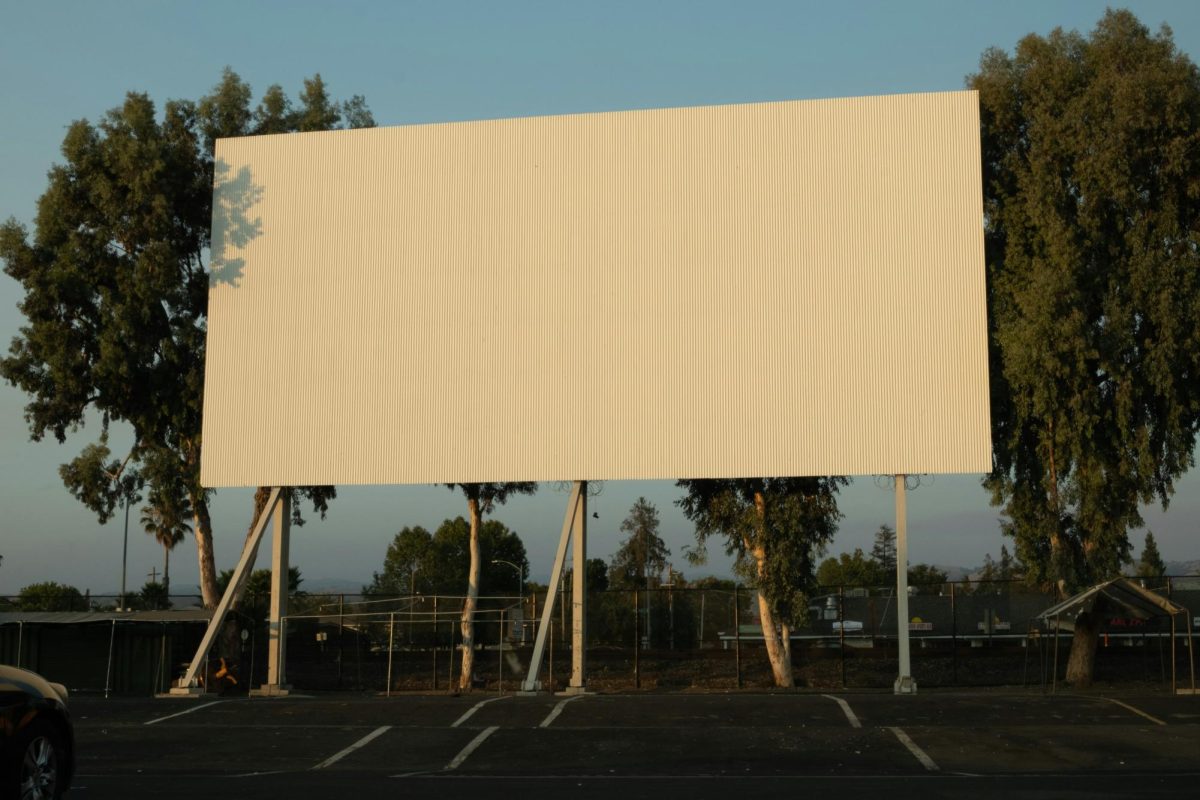
As fascinatingly intimate as The Love That Remains is on a narrative level, what really makes it such a standout piece of work is Pálmason’s incredible visual craftsmanship. Given that it’s shot within some of Iceland’s prettiest rural corners, a large part of the appeal comes down to the pure natural beauty of the colorful landscapes being captured. Even so, to ignore the clear talent in how Pálmason chooses to capture these landscapes would be doing him a major disservice. Shot in a claustrophobically narrow 4:3 aspect ratio, every frame is composed with such careful attention to detail, whether in how the central characters or their eye-popping surroundings are presented to us. Many shots would even feel right at home as beautiful desktop backgrounds, yet none of them ever verge on feeling pretentious either. It all adds greater texture to the stunning countryside settings showcased throughout, along with the story’s unhurried approach to studying this family over such a long period of time.
What also complements Pálmason’s perfect directorial precision is the clear intent behind how long each of these shots is held on, along with the very purposeful timing of when they’re cut. Above all else, this really helps further immerse the viewer in such a naturalistic world by forcing them to pay close attention to it. Had Pálmason not been so committed to soaking in this striking scenery through his camera, the film’s trancelike power would be nowhere near as effective. The incorporation of licensed piano pieces (especially from the minimalist British musician “h hunt”) may be very sparse, but it really adds to the film’s great grasp of atmosphere as well. All these arresting artistic choices help The Love That Remains feel deeply expressive in a way that really speaks for itself, making for an enigmatic experience that effortlessly transports the viewer into its stunning world.
Whether or not one necessarily finds themselves moved by The Love That Remains’ dramatic weight, its story is still told quite vividly through Pálmason’s fantastic filmmaking. For this film to have apparently flown under the radar of more mainstream audiences comes as a real disappointment, although it may be too much of a slow-burn for some. Even the Academy didn’t seem to care about it, as it was selected as the Icelandic entry for Best International Feature at the recent Oscars, but ultimately didn’t receive any nominations. Either way, The Love That Remains still proves Pálmason to be a true directorial talent, making the absolute most out of a story so minimalist in scope. If nothing else, it’s one of the most richly absorbing cinematic moodpieces to ever emerge from last year, which is all the more admirable in how weighty its most central themes are.